Health & Fitness
Gutless Politicians Will Ask Voters to Raise their Own Taxes
Voters will be asked to vote yes for tax increases intended to pay for upgrading roads in Metro St. Louis. The political class does not want its fingerprints on a tax increase.
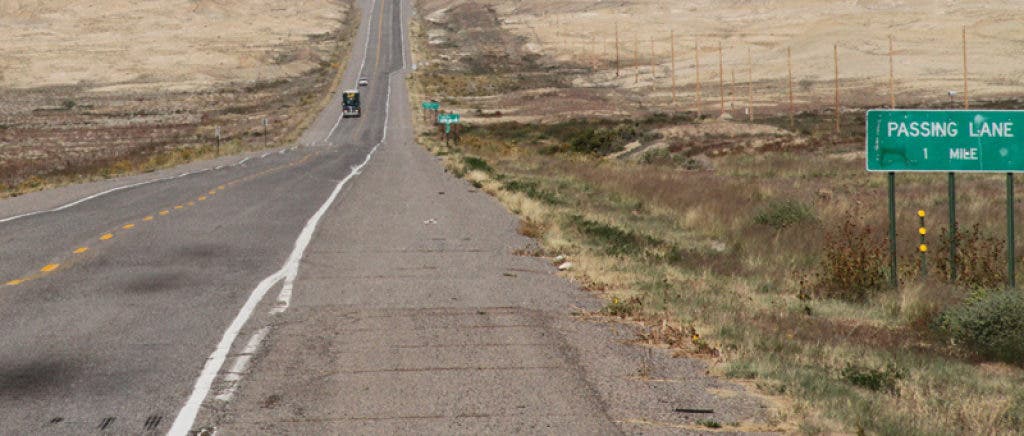
Soon, voters will be asked to vote yes for tax increases intended to pay for upgrading transportation infrastructure in Metro St. Louis.
Voters will be asked to vote yes, because the political class does not want its fingerprints on a tax increase to pay for necessary maintenance and upgrade of roads. Most politicians believe raising taxes means getting onto an off-ramp from politics. Staying in elected office is far more important to most in the political class than doing what is hard, but necessary. So, during this year’s election season, when state politicians are asking you to re-elect them, think carefully about who you trust to actually make the hard decisions.
How do we know this vote on increased transportation taxes is coming? A former Missouri state senator let it slip at a recent meeting and a former speaker of the house followed up with questions about how the public might be encouraged to vote for such a package of tax increases.
Find out what's happening in Town And Country-Manchesterwith free, real-time updates from Patch.
This interaction occurred at a meeting of “The Blue Ribbon Citizens Committee on Missouri Transportation Needs” at Transportation Management Center (near I-64 and MO-141), Monday, May 14.
The first to address the committee was Ed Hassinger, MoDOT’s St. Louis District Director. The St. Louis District includes St. Louis City & County, Jefferson, Franklin, and St. Charles Counties. The district includes a population of about 1,855,000 (just short of a third of all Missouri residents), 2,702 square miles of land, and approximately 1,533 centerline miles of state highway.
Find out what's happening in Town And Country-Manchesterwith free, real-time updates from Patch.
Hassinger began his remarks by stating there is no money for new projects. He does have almost enough funding to do regular maintenance on roadbed that currently exists. (But inflation is already eroding the buying power of the little money he still has.) If he were assigned more money, his top priority would be to renovate that portion of I-270 from the Illinois line (near the Chain of Rocks) to I-70. That project would cost $300-350 million. He also listed two interstate interchanges (I-64 and Grand, I-70 and St. Charles Rock Road) which need safety upgrades for an additional $80 million. He said he could easily add ten more interchanges to his list.
What Hassinger did not say was that existing roads must be regularly maintained. If a road misses its regular maintenance by as little as two to three years, the cost of that maintenance, when finally performed, will cost 50% more. If the interval is greater than three years, the maintenance cost can easily rise to 100% more than if performed on-time. If maintenance is deferred too long, concrete must be ripped out down to the roadbed and re-poured at a cost of 300-500% more than the original maintenance cost. Paying for regular maintenance (on-time) is actually a cost savings to taxpayers.
Missouri spent five years, from 2005 to 2010, renovating and upgrading its roads. Roads for which maintenance had been deferred. The funds used for those projects are gone and soon roads will again begin to deteriorate throughout the state, including the St. Louis region. This is a case of pay me now or taxpayers pay a lot more later.
The political class was notified well in advance (2008) that money would run out and more revenue needed to be assigned. Our elected leaders chose to do nothing.
The political class expects voters to save them from having to cast a legislative vote for the necessary funds to maintain and upgrade our road system.
Before you say that road maintenance is a ‘nice to have’ rather than a ‘must be done’ item, please be reminded that good roads reduce the transportation cost of food (and other items) you buy at the store. Good roads reduce the time it takes you to drive to work. Good roads encourage out-of-state businesses to move into Missouri, bringing with them more jobs for you and your family members.
As much as you are going to hate voting for more taxes to maintain and improve roads, you are going to hate ‘poor driving conditions’ and the ‘additional transportation costs added to goods bought at the store’ even more.
If the package presented to voters is reasonable, we should vote to protect our current roads and add new or renewed infrastructure where truly needed.